
Weight loss injections have been conditionally recommended for treating obesity by the World Health Organization (WHO) for the first time.
WHO Director-General Tedros Adhanom Ghebreyesus said the new guidance "recognises that obesity is a chronic disease that can be treated with comprehensive and lifelong care".
While he said medication can't solve obesity on its own, the jabs could help millions overcome it - and reduce its associated harms.
According to the health agency, more than one billion people around the world are affected by obesity. By 2030, it says that figure will rise to two billion.
Read more: Ozempic to Mounjaro - what are the weight loss injections?
Weight-loss injections - officially known as GLP-1 therapies - work by mimicking a hormone and increasing insulin release to control blood sugars and reduce appetite.
The first recommendation guidance advises the use of the drugs by adults, except pregnant women, for long-term obesity treatment.
The second suggests interventions like a healthy diet and physical activity should be offered alongside the medicines.
However, the WHO stressed that access remains a major barrier, as even with increased production, GLP-1 therapies are projected to reach fewer than 10% of those who could benefit by 2030.
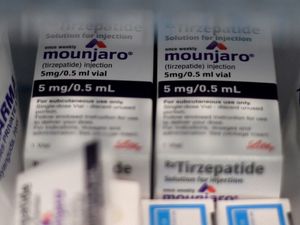
The latest advice applies to adults with a Body Mass Index of 30 or higher, and the recommendations are for three agents - semaglutide, which is sold under the names Ozempic and Wegovy, tirzepatide, available as Mounjaro and Zepbound, and an older drug from the same class called liraglutide.
In a conference call, the WHO said it would set out guidance for the treatment of obesity in children and adolescents next week.
The move comes years after the UK licensed Wegovy as a weight loss drug in the UK and made it available on the NHS.
Read more from Sky News:
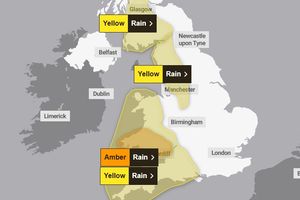
Danger to life rain warning for parts of UK
Thousands without water after 'chemical issue'
Mounjaro was also supposed to be available through GP surgeries and other community services in the UK from 23 June.
But at the start of August, Sky News research revealed only eight of 42 NHS Integrated Care Boards (ICBs) in England had started providing treatment to patients, and many of the rest unable to guarantee when it would be available.
Also in August, the National Institute for Health and Care Excellence (NICE) - the body that provides guidance on the use of new drugs - said that people coming off the drugs should be offered "structured advice and follow-up support" to help prevent weight gain.
This includes being monitored by the NHS for at least a year after completing treatment and support to help build "long-term behavioural habits, use self-monitoring tools, and draw on wider support - from online communities to family-led interventions and local activities".

(c) Sky News 2025: Weight loss jabs conditionally backed to tackle obesity by World Health Organization
 US and UK agree zero-tariffs on pharmaceuticals
 More than 1,100 confirmed dead and 800 missing in catastrophic Asia floods
 Man accused of Huntingdon train stabbings refuses to attend court
 Runaway reindeer sparks emergency rescue operation in Merseyside
 UK weather: Danger to life warning for parts of UK as 'month's worth of rain' to fall in 24 hours
 Calls to trial four-day week for schools to boost teacher recruitment and retention
 Labour MP Tulip Siddiq sentenced to two years in prison at corruption trial in Bangladesh
 Family of man who died on Benidorm holiday say they have new evidence of foul play