The BBC should reform the licence fee so it is no longer "linked to a TV" and couple this with a price drop, MPs have recommended.
The cross-party Digital, Culture, Media and Sport Committee made a series of proposals as the government seeks to finalise its recommendations for the next BBC royal charter.
It will set out how the broadcaster should be governed, regulated and funded from 2028 - with the current agreement set to expire on 31 December 2027.
The committee has also called for the next charter to be made permanent to avoid "political interference" and a "disproportionate distraction".
A report by the group said the current licence fee model was "outdated and no longer fit for purpose", stating that the BBC should bring down the £180 annual cost.
It read: "The best next step is for the government to reform the licence fee, so it reflects modern media consumption and is no longer linked to a television set.
"This would be an easier sell to licence fee payers if expanding the base is paired with a drop in the individual cost."
The committee said a household levy, in which homes would pay the licence fee regardless of whether they used the BBC, would be difficult to introduce.
However, it added that the government "should not have ruled out this option entirely".
Elsewhere, the committee suggested the BBC should implement an international TV licence so it can "maximise the potential global audience and increase its revenue".
Its members also "strongly support" the BBC opening up iPlayer to include content from other public service broadcasters such as Channel 4.
BBC director-general Matt Brittin told the committee the BBC had lost around £1.2bn to £1.3bn of licence fee funding over the last decade, according to the report.
It also said the BBC had told it that while 94% of households were using the BBC, only 80% were paying for it.
Chairwoman of the committee, Dame Caroline Dinenage, said: "For all its faults, the BBC drives our creative economy, supports our democracy through media sovereignty and delivers world-class entertainment and moments that bring us together.
"Like a much-loved family member, we may criticise and grumble about the BBC but we would miss it enormously if it were no longer here for us.
"The next charter can provide a springboard for the BBC's success for years to come."
Read more from Sky News:
Peter Murrell's legal aid withdrawn
Broadcaster Dame Esther Rantzen dies
In response, the BBC said the corporation welcomed the report, which they said "makes some important and interesting recommendations on the future of the BBC".
A spokesperson said: "We have consistently argued that the current funding model is outdated and needs reform, so we welcome the committee's support for maintaining universal funding while overhauling the licence fee.
"At a time of huge disruption in the media, the BBC's trust, reach and creative strength remain unparalleled. But we also recognise the need to evolve and move faster towards the future.
"We will reflect on the committee's report and continue to engage with the government to secure a BBC that delivers for everyone for generations to come."

(c) Sky News 2026: BBC should cut licence fee cost and expand it beyond TV, MPs recommend
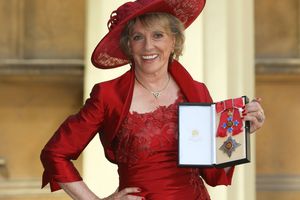 Broadcaster and campaigner Dame Esther Rantzen dies
 'That's all folks': Liam Gallagher comments on Oasis 2027 tour tickets selling out
 National museums in England to remain free for overseas visitors
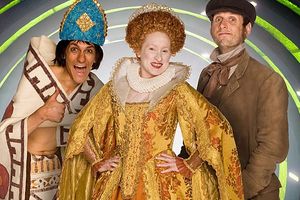 Horrible Histories scenes removed to comply with BBC editorial guidelines for children's TV